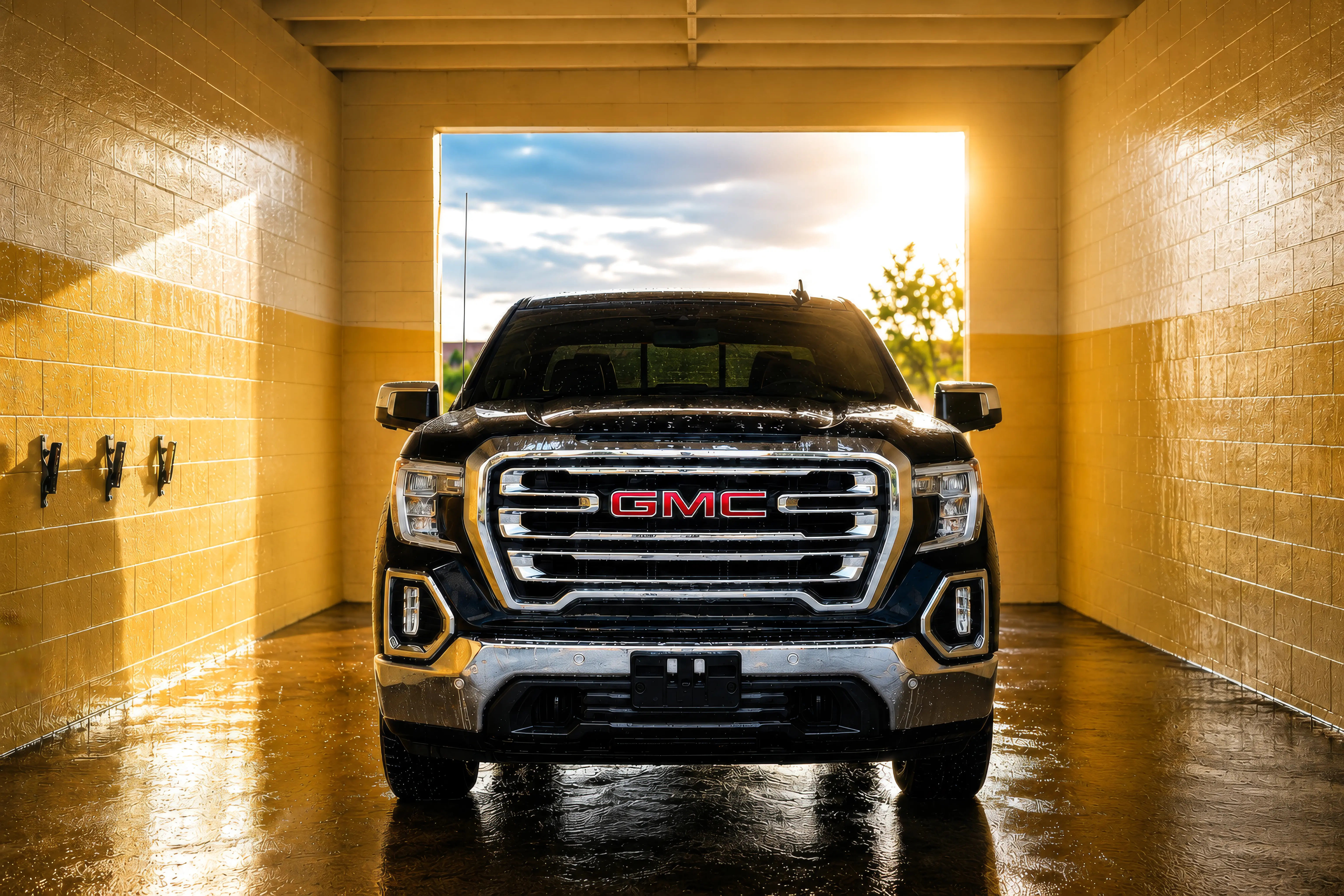
Touchless car wash systems have grown in popularity over the past decade, particularly among vehicle owners concerned about preserving paint finishes. Unlike traditional brush-based systems, touchless technology relies on high-pressure water jets and specialized detergents to clean vehicles without physical contact. Understanding how these systems work can help car owners make informed decisions about vehicle maintenance and exterior care.
Touchless systems utilize pressurized water combined with chemical solutions to loosen dirt, road grime, and environmental contaminants. Sensors detect vehicle contours and adjust spray angles, ensuring even coverage across the body. The key advantage is the absence of brushes or cloth, which reduces the risk of scratches, swirl marks, or abrasion on delicate surfaces.
Effective touchless washing depends on the composition and pH of detergents. Alkaline-based cleaners break down grease and road residues, while acid-neutral formulas prevent spotting or etching on paint. Modern systems often combine multiple chemical agents, sequenced for maximum efficiency, leaving a clean surface without residual film.
Touchless car wash systems are a modern solution for drivers focused on surface protection and efficiency. While they may not replace manual or hybrid cleaning for every situation, understanding the mechanics, chemicals, and limitations allows owners to optimize results while protecting vehicle finishes.