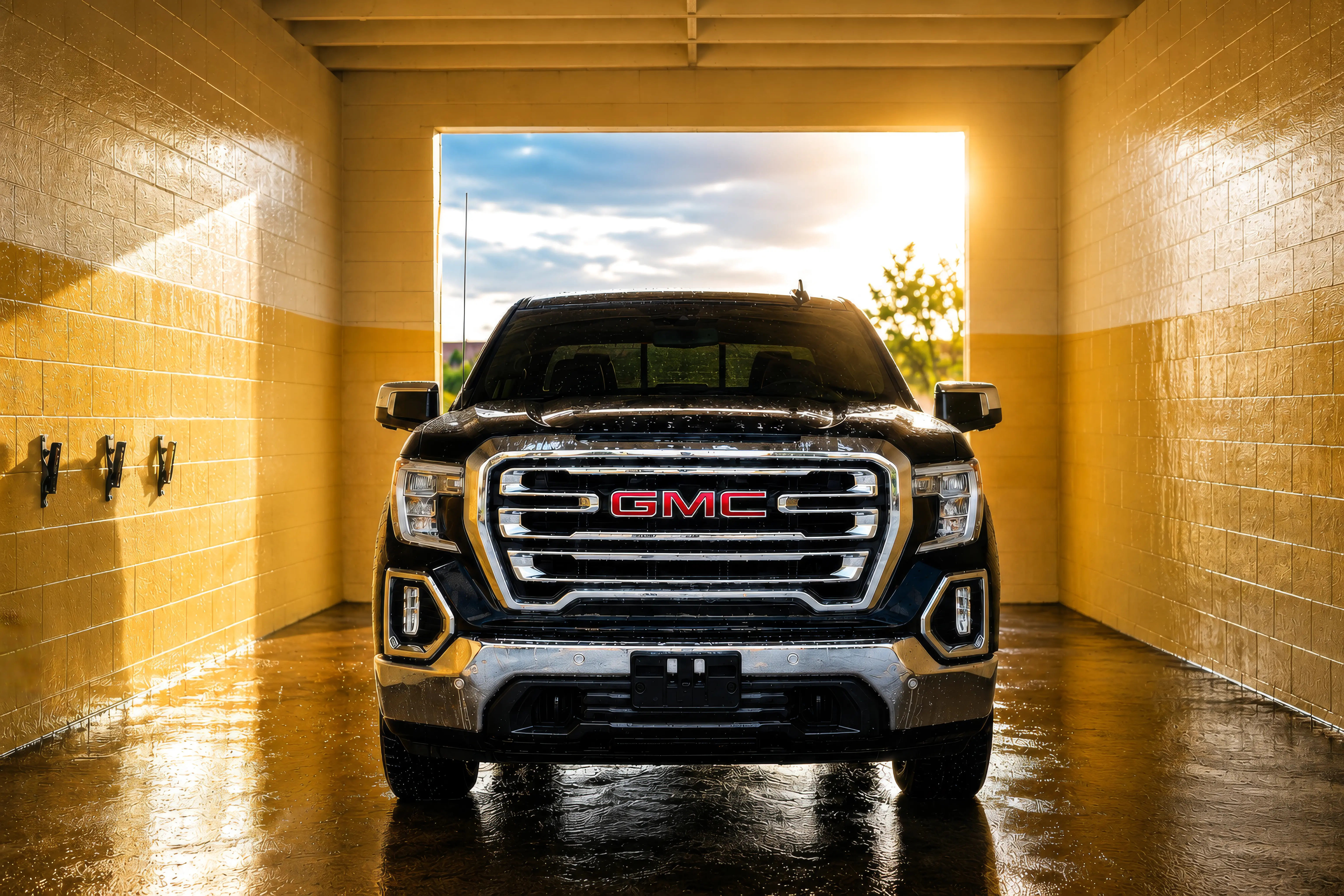

Determining how often to wash a vehicle depends on multiple factors, including climate, driving habits, and surface exposure. Regular washing is essential not only for aesthetics but also for preserving paint, trim, and structural integrity. Understanding frequency guidelines helps drivers maintain vehicles efficiently while minimizing damage.
Interior washing frequency varies depending on passenger habits, pet use, and exposure to dirt or spills. Regular vacuuming, wiping surfaces, and window cleaning every 1–2 weeks keeps the cabin clean and prevents staining or odors from becoming permanent.
While frequency is important, washing technique, detergent choice, and drying methods are equally critical. Combining proper washing with protective waxes or sealants extends intervals between major cleanings while maintaining finish quality. Drivers should also pay attention to wheel wells and tires, which accumulate debris faster than body panels.
Consistent washing protects a vehicle’s appearance and structural longevity. Establishing a routine based on environmental exposure and driving habits ensures optimal cleanliness without over-washing. By integrating frequency guidelines with proper techniques, drivers achieve effective maintenance while safeguarding surfaces against premature wear and damage.