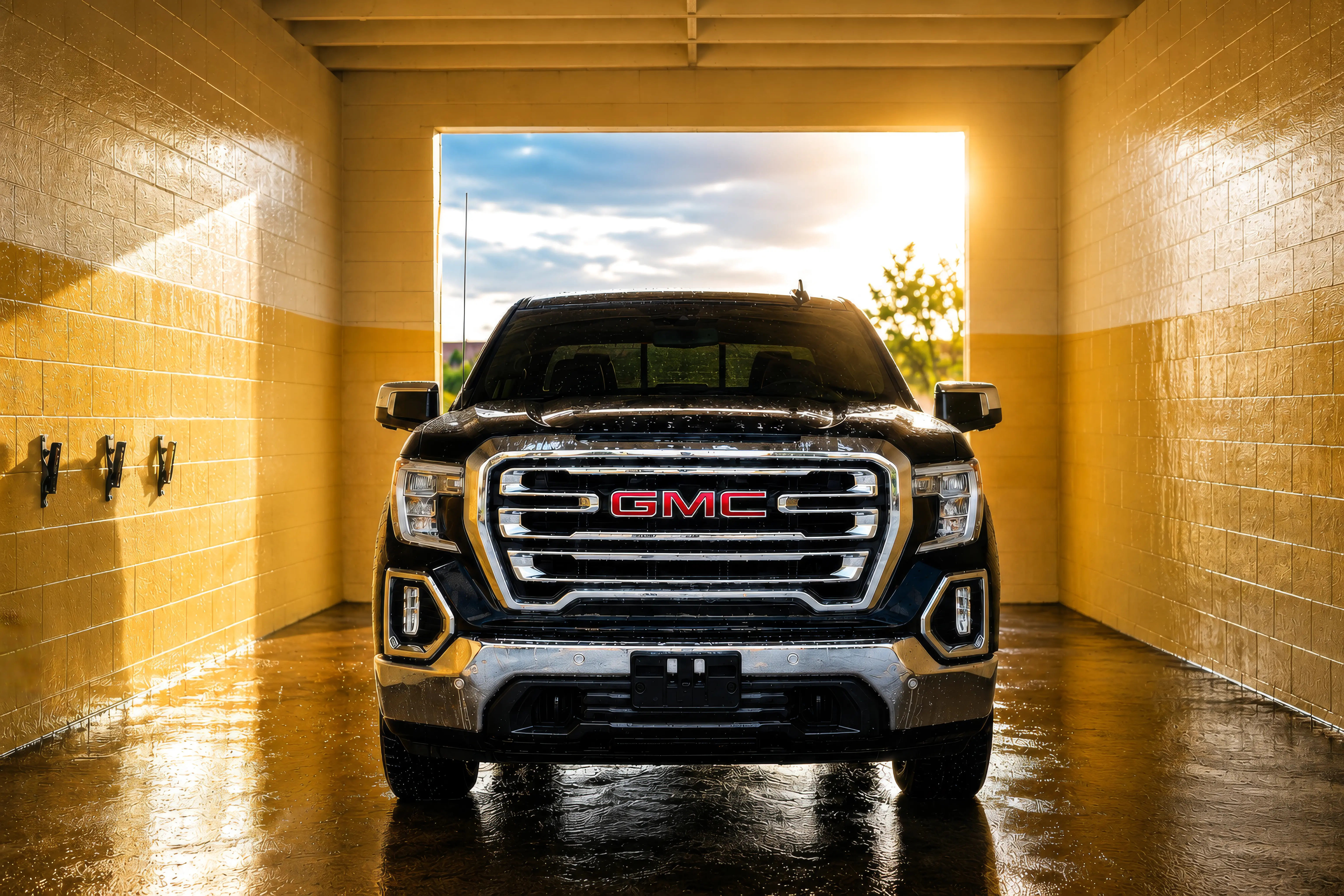

Water quality is a critical, often overlooked factor in vehicle maintenance. Hard water, high mineral content, or contaminated supplies can affect cleaning efficiency, leave residues, and even damage paint and trim over time. Understanding how water characteristics influence car washing helps drivers achieve a consistent, professional-quality finish.
Water quality affects soap efficiency, drying results, and streak formation. Hard water can leave visible mineral deposits even after rinsing, requiring additional drying or spot-free rinse systems. Soft or treated water allows detergents to work more effectively, achieving better dirt removal and a consistent finish.
Brake dust, road salts, and grime combine with minerals in hard water, making wheel cleaning more challenging. Using filtered water for rims and tires can reduce residue buildup, helping maintain both aesthetics and corrosion resistance.
Water quality is a subtle but significant factor in maintaining vehicle finishes. Attention to water type, proper rinsing, and supplementary drying ensures consistent results and reduces the long-term risk of damage. Drivers who integrate water-conscious practices can enhance both the effectiveness and longevity of their car washes.